1. The Land and Its People
Nepal's geography is a spectacular mosaic of landscapes. In the south, the Terai plains are a tropical haven, home to dense jungles and a rich variety of wildlife. Moving north, the Hilly region is characterized by rolling terrain and lush valleys, where most of the population resides. Finally, the awe-inspiring Himalayan region dominates the north, with its jagged peaks and immense glaciers, including Mount Everest.
The people of Nepal are as diverse as its landscape. With over 100 ethnic groups, the country is a vibrant cultural mosaic. This diversity is reflected in the hospitality you will encounter, as the Nepali people are renowned for their warm and welcoming nature.
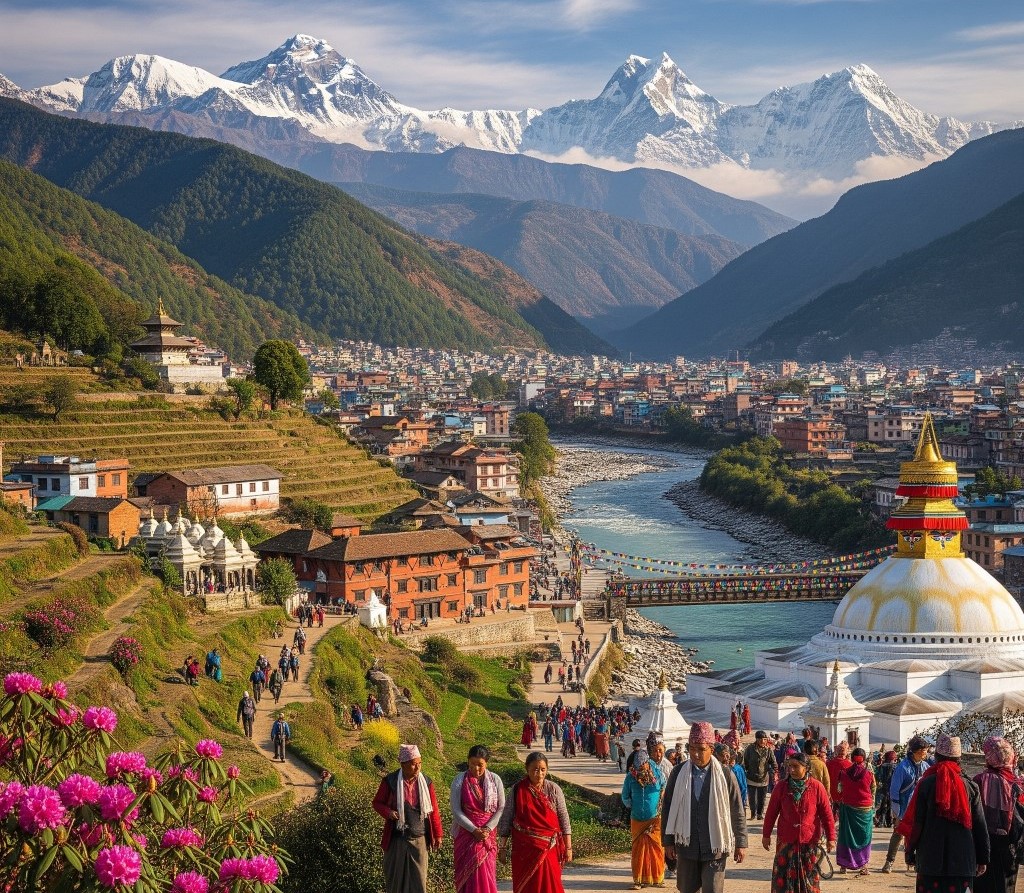 The majestic Himalayas of Nepal
2. Discovering the Cultural Heartland
The Kathmandu Valley is the epicenter of Nepal's history and culture, a UNESCO World Heritage Site in itself.
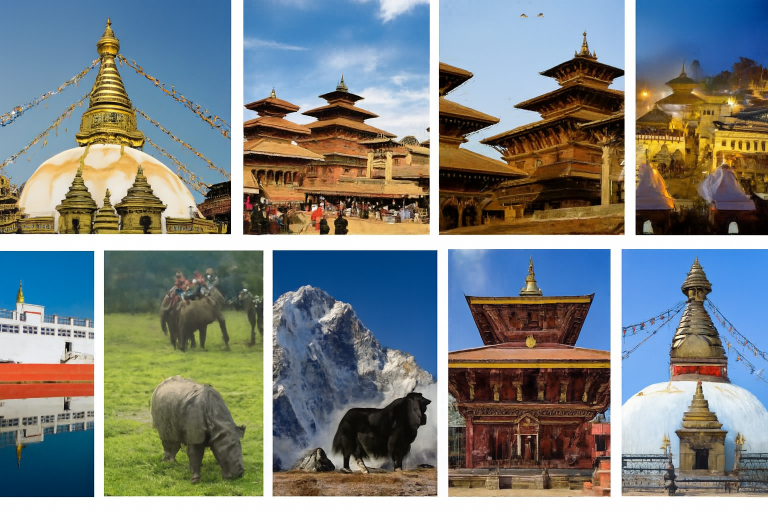 Cultural heritage sites in Kathmandu Valley
- Kathmandu Durbar Square: A testament to the country's regal past, this square is surrounded by ancient palaces and pagoda-style temples.
- Pashupatinath Temple: One of the most sacred Hindu sites, this temple complex on the Bagmati River is a powerful place of pilgrimage and rituals.
- Boudhanath Stupa: A colossal Buddhist stupa, its all-seeing eyes watch over the vibrant streets filled with monasteries and prayer flags.
- Swayambhunath (Monkey Temple): Perched atop a hill, this stupa offers a stunning panoramic view of the entire valley and is a major site for both Hindus and Buddhists.
- Bhaktapur: A step back in time, this well-preserved city is a living museum of medieval art, architecture, and traditions.
3. The Call of Adventure
Nepal is a paradise for adventurers and thrill-seekers. The mountains offer a variety of trekking experiences for all skill levels.
- Everest Base Camp Trek: The most famous trek in the world, this journey takes you to the foot of Mount Everest, offering unparalleled views of the Himalayas.
- Annapurna Circuit Trek: A classic route known for its diverse scenery, from subtropical forests to high-altitude deserts.
- Chitwan National Park: For a different kind of adventure, explore the jungles of Chitwan on an elephant safari or a jeep tour to see rhinos, tigers, and a variety of other wildlife.
- Paragliding in Pokhara: Soar above the serene Phewa Lake with the stunning backdrop of the Annapurna range.
Trekking Tip
Always acclimatize properly when trekking at high altitudes to avoid altitude sickness. Spend at least two nights at intermediate elevations before ascending further.
4. Culinary Delights of Nepal
Nepali cuisine is a flavorful blend of regional ingredients and traditional cooking methods.
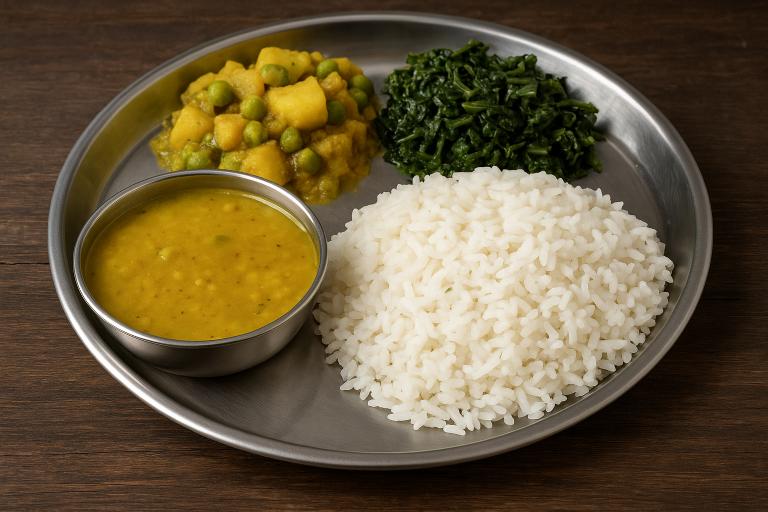 Traditional Nepali Dal Bhat - the national dish
- Dal Bhat: This national dish is a hearty and nutritious meal of lentil soup, rice, and various curries, served with pickles.
- Momo: These delicious steamed or fried dumplings, filled with meat or vegetables, are a staple of Nepali cuisine.
- Sel Roti: A traditional ring-shaped rice bread, this is a popular treat during festivals and celebrations.
5. When to Visit: Climate and Seasons
Nepal has a monsoon-influenced climate, and the best time to visit depends on your activities.
| Season | Months | Weather | Recommended Activities |
|---|---|---|---|
| Autumn | September to November | Clear and stable | Trekking, mountaineering, cultural tours |
| Spring | March to May | Warm with possible haze | Trekking, wildlife viewing, photography |
| Winter | December to February | Cold, especially at high altitudes | Cultural tours, lowland trekking |
| Monsoon | June to August | Heavy rainfall | Upper Mustang trekking, cultural experiences |
6. More Adventures and Unique Experiences
Beyond the well-known trails, Nepal offers a wealth of unique adventures.
- White-Water Rafting: Experience the thrill of rafting on rivers fed by Himalayan glaciers. The Trishuli, Seti, and Bhote Koshi rivers are popular spots.
- Bungee Jumping: Take a leap of faith from a 160-meter suspension bridge over the Bhote Koshi River.
- Spiritual Retreats: The serene environment of Nepal is perfect for meditation and yoga. Many centers in and around Kathmandu and Pokhara offer retreats.
- Mountain Biking: Explore the hills and valleys on two wheels, with a variety of trails for all levels, from easy rides to challenging singletracks.
7. Exploring Beyond the Big Cities
For a deeper cultural experience, venture into these unique regions.
- Lumbini: The birthplace of Siddhartha Gautama (Lord Buddha), Lumbini is a sacred pilgrimage site. You can visit the Mayadevi Temple, the Ashoka Pillar, and the many monasteries built by different countries.
- Bardia National Park: A more remote and less crowded alternative to Chitwan, Bardia is a prime location for tiger sightings and a sanctuary for other wildlife.
- Mustang: This ancient kingdom, now a part of Nepal, features a stunning, arid landscape and a unique Tibetan-influenced culture. The trek through Upper Mustang requires a special permit and is a journey to a different world.
8. A Glimpse into Local Life
Don't just visit Nepal; immerse yourself in its daily rhythm.
- Homestays: Opt for a homestay in a rural village. This is the best way to interact with local families, learn about their traditions, and get a true taste of Nepali life.
- Festivals: If your trip coincides with a major festival like Dashain or Tihar, you'll witness the country come alive with vibrant colors, music, and communal celebrations.
- Local Markets: Wander through the bustling markets (haat bazaars) to find fresh produce, traditional goods, and a glimpse of daily commerce.
9. Practical Travel Information
- Visa: You can easily obtain a visa on arrival at Tribhuvan International Airport in Kathmandu.
- Health and Safety: Always drink bottled or purified water. For high-altitude trekking, be mindful of acclimatization to prevent altitude sickness.
- Trekking Permits: Trekkers are required to obtain permits like the TIMS card and national park entry passes.
- Respectful Etiquette: Show respect for local customs by dressing modestly at religious sites and using your right hand for giving and receiving.
Packing Essentials
Depending on the season and activities, pack layered clothing, sturdy hiking boots, a quality backpack, sunscreen, a reusable water bottle, and any necessary medications.
Nepal is more than just a destination; it's an experience that will stay with you long after you leave. Its blend of spiritual serenity, natural grandeur, and genuine hospitality creates a journey of discovery and unforgettable memories.