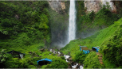
1. Nepal is home to Mount Everest
Mount Everest, locally Sagarmatha, stands at 8,849 meters and is the highest mountain in the world. It attracts climbers globally, challenges adventurers with extreme weather, and is sacred to the Sherpa people.
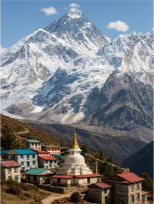
2. Only country with a non-rectangular flag
Nepal’s flag has two stacked triangles representing the Himalayas and major religions. The sun and moon symbolize permanence, making it unique worldwide.
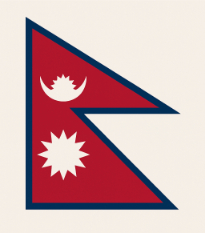
3. Birthplace of Lord Buddha
Lumbini is the birthplace of Siddhartha Gautama, later Lord Buddha. It’s a UNESCO World Heritage Site, attracting pilgrims worldwide with its monasteries and sacred gardens.
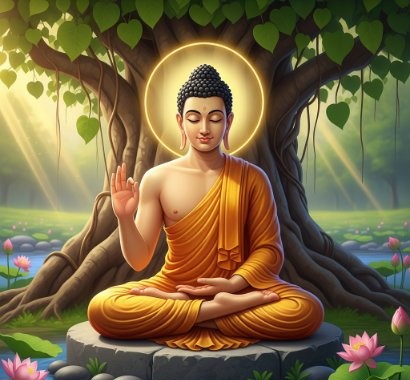
4. A Different Calendar
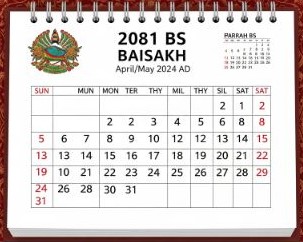
Nepal primarily uses the Bikram Sambat (BS) calendar, which runs about 56–57 years ahead of the Gregorian calendar. Nepali New Year usually falls in mid-April, and many official dates, festivals, and school years follow this calendar.
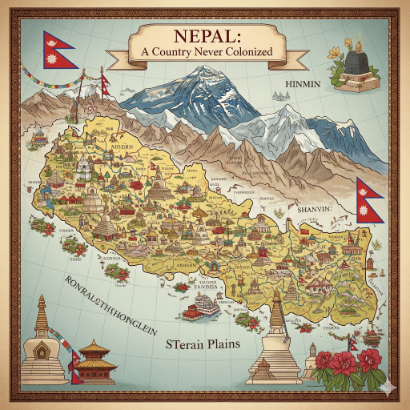
5. A Country That Was Never Colonized
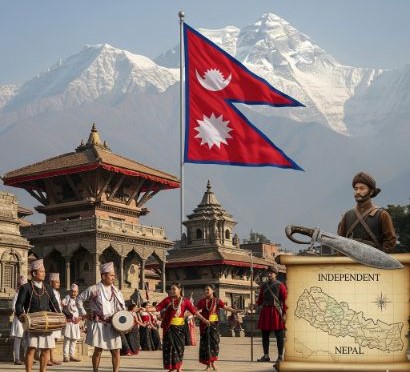
Nepal maintained its sovereignty throughout history, navigating regional powers and signing the 1816 Treaty of Sugauli with the British, but it was never formally colonized—preserving its unique culture and identity.
6. Eating with the Right Hand
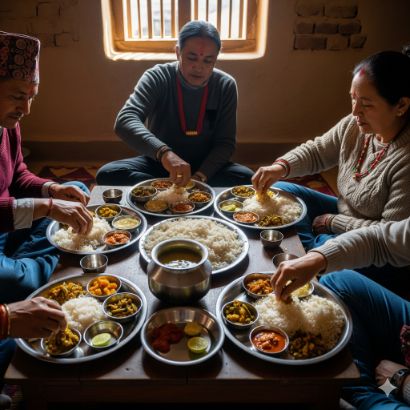
In Nepali culture, the right hand is used for eating and for giving or receiving items, as the left hand is considered impure. This reflects a broader etiquette of respect in daily interactions.
7. Rich cultural diversity
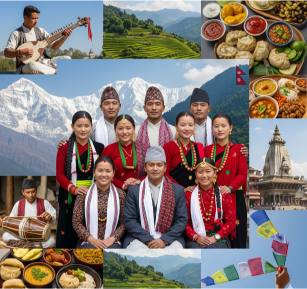
Over 125 ethnic groups and 120 languages exist in Nepal. This diversity is visible in festivals, music, dances, and cuisine, creating a vibrant cultural mosaic.
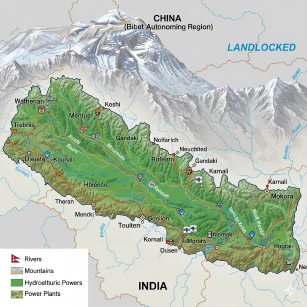
8. Landlocked nation
Nepal is landlocked between India and China but has rich rivers, fertile valleys, and towering mountains that support agriculture, tourism, and hydroelectric power.
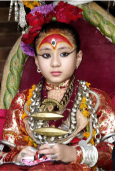
9. Living Goddess Tradition
Kathmandu houses the Kumari, a living goddess worshipped by Hindus and Buddhists. She participates in religious ceremonies and is believed to protect the city spiritually.
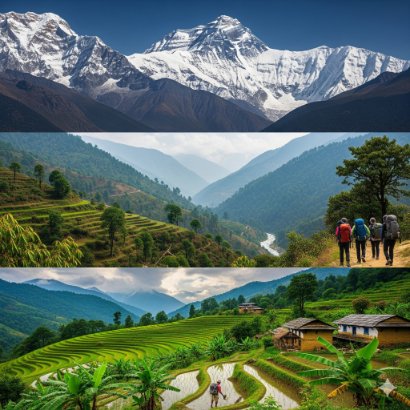
10. Diverse Climate
Nepal ranges from tropical lowlands to freezing Himalayan peaks. This climate diversity affects agriculture, wildlife, and tourism opportunities throughout the country.
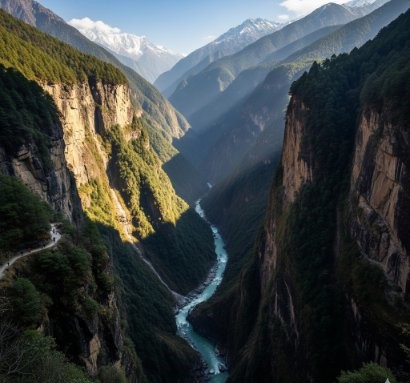
11. World’s Deepest Gorge
Kali Gandaki Gorge in Nepal is deeper than the Grand Canyon. It separates the Dhaulagiri and Annapurna ranges and is a famous trekking route for adventure travelers.
12. UNESCO Heritage Sites
Nepal has 10 UNESCO World Heritage Sites including Kathmandu Valley, Sagarmatha National Park, and Lumbini, showcasing historical, cultural, and natural treasures.
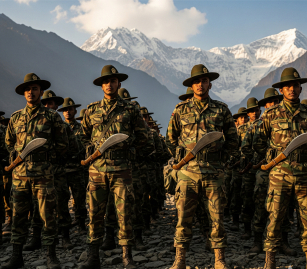
13. Birthplace of Gurkhas
The Gurkhas, renowned soldiers, originate from Nepal. Known for bravery and loyalty, they serve in armies worldwide, bringing pride to their homeland.
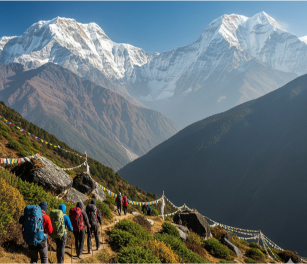
14. Highest concentration of tall peaks
Eight of the world’s 14 tallest mountains are in Nepal, including Annapurna and Kanchenjunga, making it a paradise for mountaineers and trekkers alike.
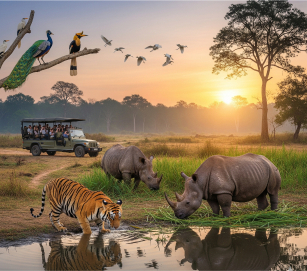
15. Chitwan National Park
Chitwan National Park protects Bengal tigers, one-horned rhinoceroses, and over 500 bird species. Jungle safaris allow close encounters with Nepalese wildlife.
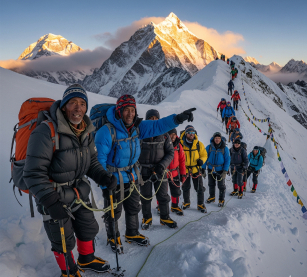
16. Sherpa Mountaineers
The Sherpa community is world-famous for mountaineering skills. Their expertise has guided countless climbers to Himalayan summits safely and efficiently.
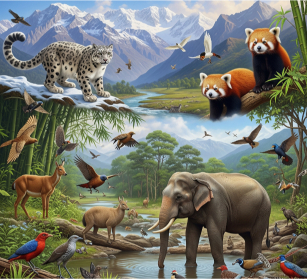
17. Rich wildlife diversity
Nepal’s diverse ecosystems host snow leopards, red pandas, elephants, and hundreds of bird species. Conservation efforts protect these unique species in national parks and reserves.
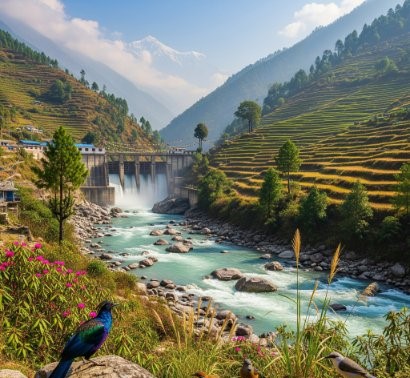
18. Himalayan river systems
Major rivers like the Koshi, Gandaki, and Karnali originate in the Himalayas, providing water for agriculture, hydroelectricity, and supporting rich biodiversity along their paths.
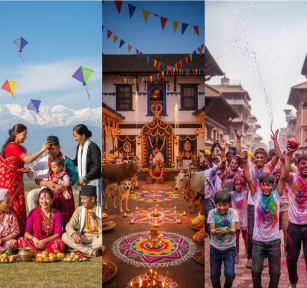
19. Festivals all year round
Nepal celebrates Dashain, Tihar, Holi, and countless regional festivals. Each festival reflects cultural values, religious traditions, and the community spirit of Nepalese people.
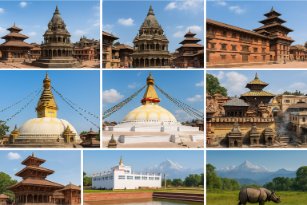
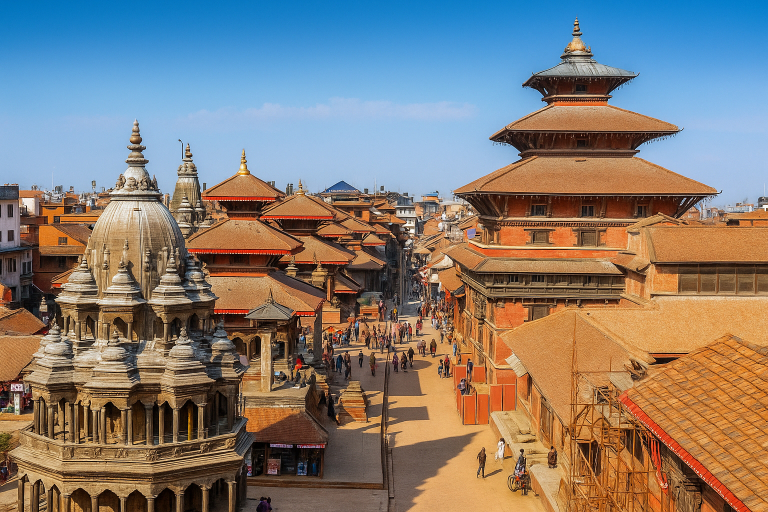
20. Ancient architecture
Nepalese architecture blends Hindu and Buddhist influences. Temples, stupas, and palaces showcase intricate wood carvings, pagoda-style roofs, and centuries-old craftsmanship.
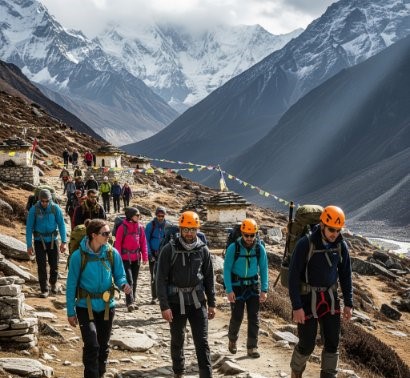
21. Mountaineering and trekking hub
Regions like Annapurna, Langtang, and Everest Base Camp attract trekkers worldwide. Nepal offers routes for all levels, from casual hikers to professional climbers.
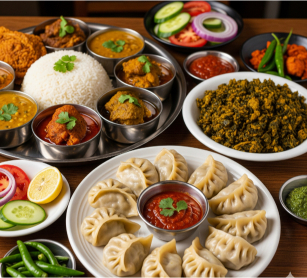
22. Nepalese cuisine
Nepalese food is diverse and flavorful, featuring momos, dal bhat, and gundruk. Meals often balance grains, vegetables, meat, and spices unique to each region.
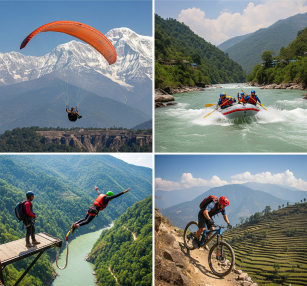
23. Adventure sports destination
Nepal offers paragliding, white-water rafting, bungee jumping, and mountain biking. Its natural landscapes make it a thrilling adventure hub for tourists and locals alike.
24. Never Colonized
Nepal is one of the few countries in the world that was never colonized by a foreign power. It does not celebrate an Independence Day.
25. The World's Shortest Man
The world's shortest man on record, Chandra Bahadur Dangi, was from Nepal. He measured just 54.6 cm (21.5 inches) tall.
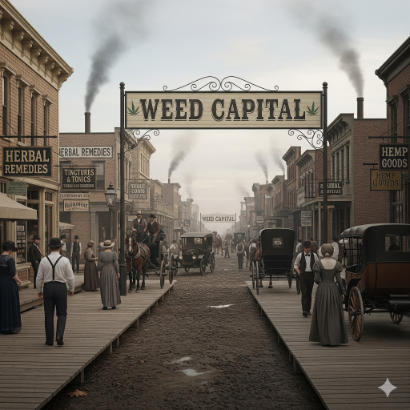
26. The "Weed Capital" of the Past
In the 1960s, Nepal was known as a destination for cannabis users due to the plant growing freely. However, it was outlawed in 1973.
27. Bel Bibaha (Wood Apple Marriage)
This is a unique and ancient tradition where pre-pubescent Newari girls are symbolically married to the bel (wood apple) fruit. This ritual is a coming-of-age ceremony that signifies their purity and ensures they will never be a widow, as their marriage to the eternal fruit remains even if a future human husband were to die.

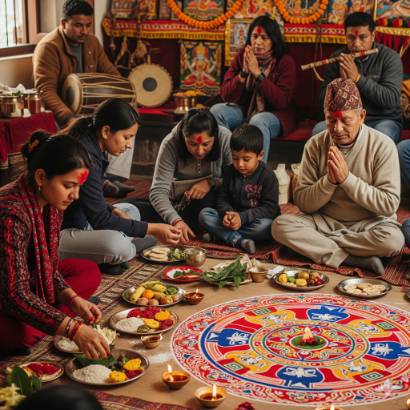
28. Mha Puja (Worship of the Self)
Celebrated during the Newar New Year, this festival is a unique ritual dedicated to the self. People clean their homes and bodies and create beautiful mandalas to worship their inner self.
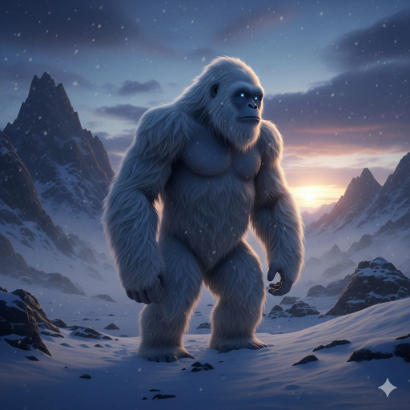
29. Yeti Legends
Nepal’s Himalayan region is home to tales of the Yeti, or “Abominable Snowman.” Locals tell stories of a large, mysterious creature roaming snowy peaks, fueling myths and expeditions worldwide.
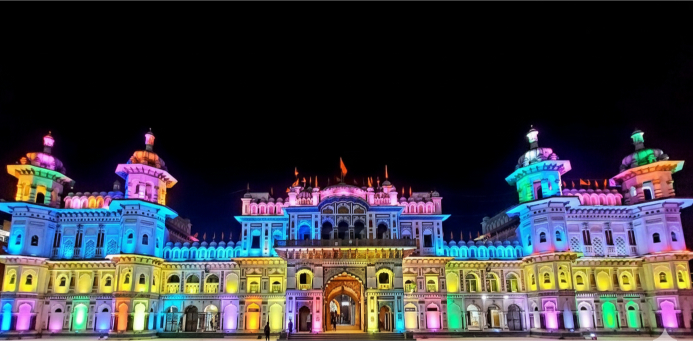
30. Janaki Temple
Located in Janakpur, the Janaki Temple is dedicated to Goddess Sita. It is one of the largest temples in Nepal and a significant pilgrimage site for Hindus.
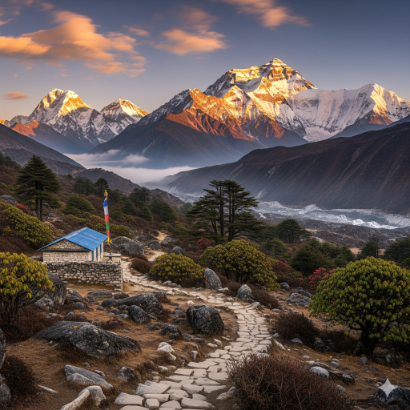
31. Sagarmatha National Park
A UNESCO site, Sagarmatha National Park is home to Mount Everest, rare wildlife, glaciers, and Sherpa culture.
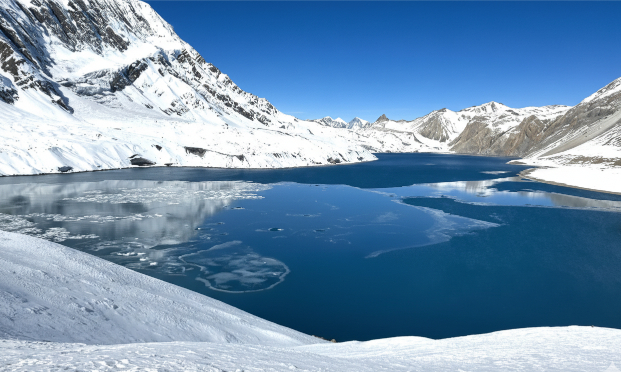
32. Tilicho Lake
At 4,919 meters, Tilicho Lake in the Annapurna range is one of the highest-altitude lakes in the world.
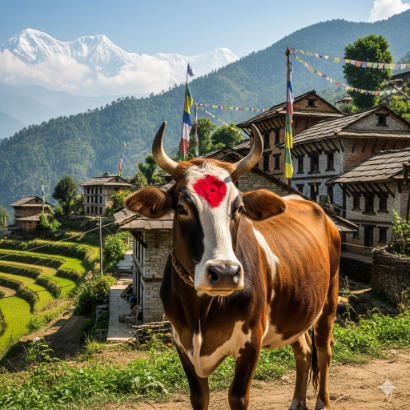
33. Nepal’s National Animal
The cow is Nepal’s national animal, symbolizing abundance and sacredness in Hindu culture.
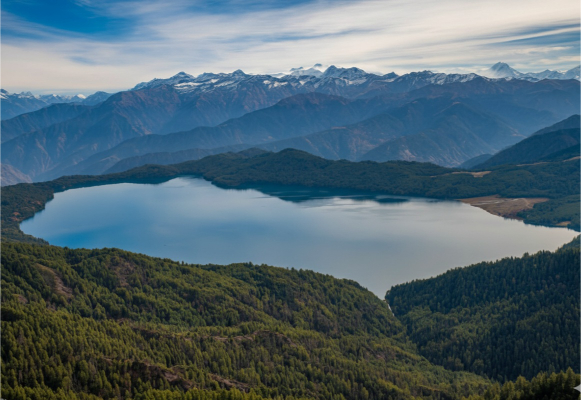
34. Rara Lake
Rara Lake, located in Mugu District, is Nepal’s largest lake and is often called the “Queen of Lakes.”
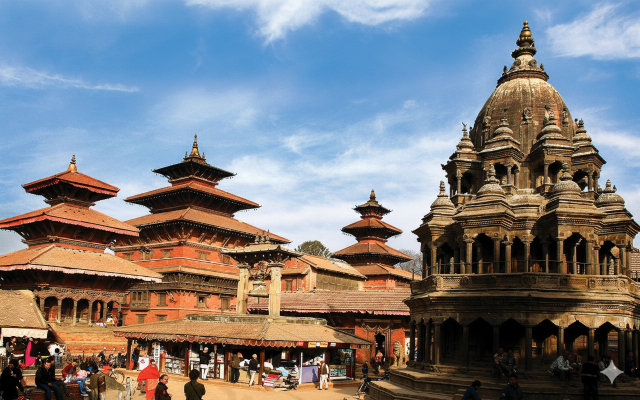
35. Patan Durbar Square
Patan Durbar Square showcases exquisite Newar architecture, with centuries-old temples, palaces, and courtyards.
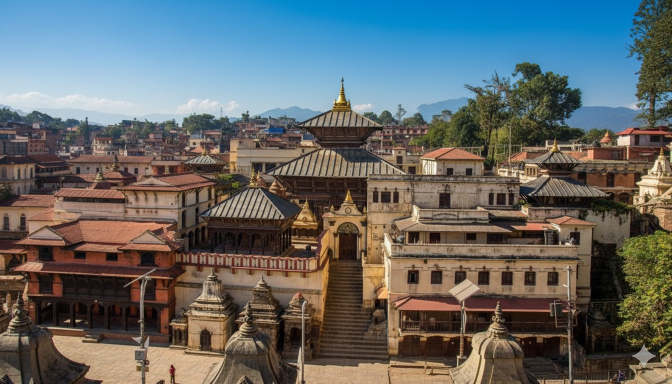
36. Pashupatinath Temple
One of the holiest Hindu temples in the world, Pashupatinath is dedicated to Lord Shiva and attracts millions of pilgrims annually.
37. World’s Highest Human Settlement
The village of Dingboche in the Everest region is among the world’s highest permanent human settlements at over 4,400 meters.
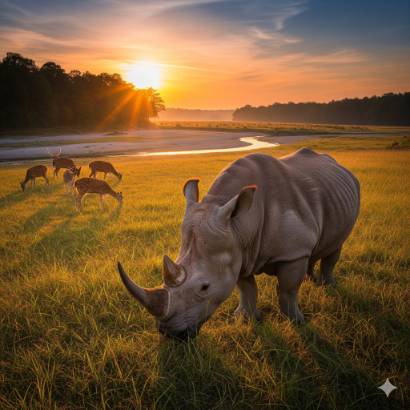
38. Shuklaphanta Wildlife Reserve
This reserve in far-western Nepal is home to the world’s largest herd of swamp deer.
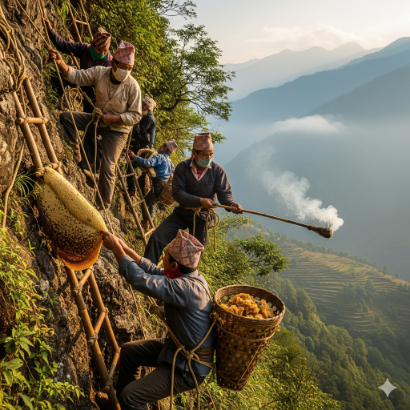
39. Nepalese Honey Hunters
Traditional honey hunters in Nepal risk their lives collecting honey from hives on towering cliffs, producing the famous “mad honey.”
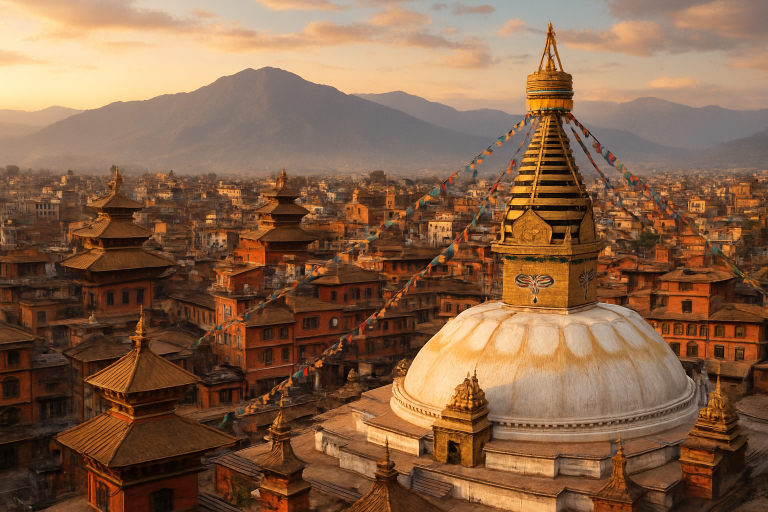
40. Kathmandu – City of Temples
Kathmandu is known as the “City of Temples,” with thousands of shrines, stupas, and religious monuments throughout the valley.
41. Khumbu Icefall
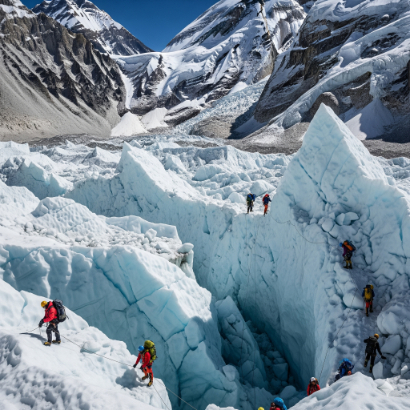
One of the most dangerous sections of Mount Everest climbing, the Khumbu Icefall is constantly shifting with deep crevasses and ice towers.
42. Highest Railway Project
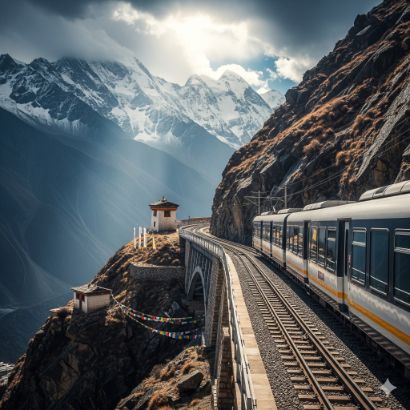
Nepal and China are planning a high-altitude railway connecting Tibet to Kathmandu, one of the most ambitious rail projects on Earth.
43. National Flower – Rhododendron
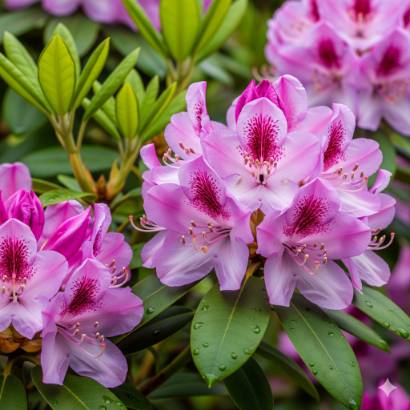
The rhododendron (Lali Gurans) blooms across Nepal’s hillsides in spring, painting forests red and pink.
44. Gorkha Kingdom
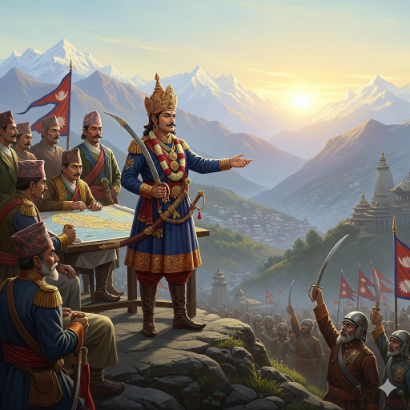
Modern Nepal originated from the Gorkha Kingdom under King Prithvi Narayan Shah, who unified the country in the 18th century.
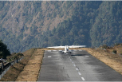
45. World’s Highest Airport
Lukla Airport, also called Tenzing-Hillary Airport, is the world’s highest and most dangerous airport at 2,845 meters.
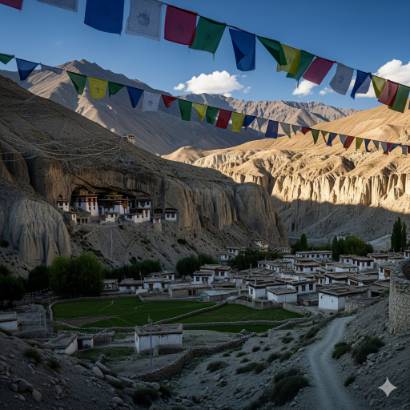
46. Mustang – The Last Forbidden Kingdom
Upper Mustang was a restricted area until 1992, preserving ancient Tibetan Buddhist traditions and cave monasteries.
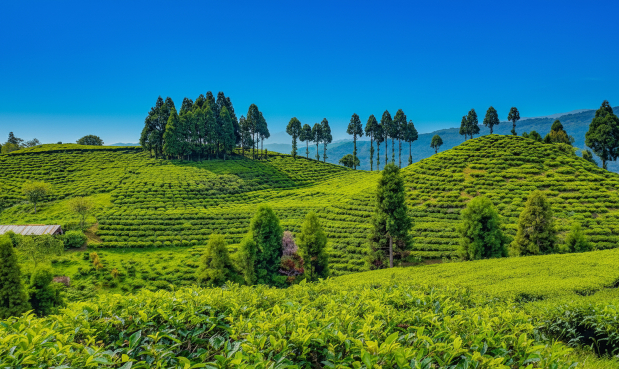
47. Nepalese Tea
Nepal produces high-quality tea in Ilam, comparable to Darjeeling, and is gaining international recognition.
48. Hanuman Dhoka Palace
The Hanuman Dhoka Palace in Kathmandu served as the royal palace for centuries and now houses a museum.
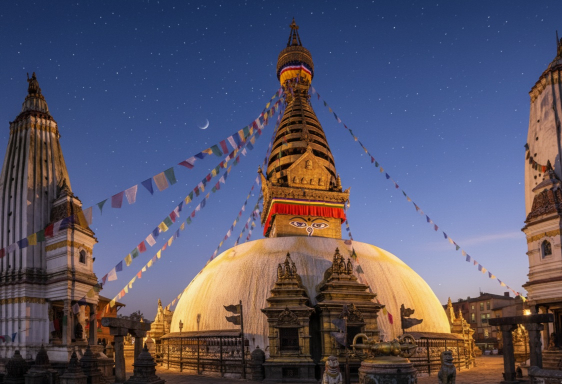
49. Swayambhunath – Monkey Temple
Swayambhunath, nicknamed the “Monkey Temple,” is a UNESCO site blending Hindu and Buddhist symbolism with panoramic city views.
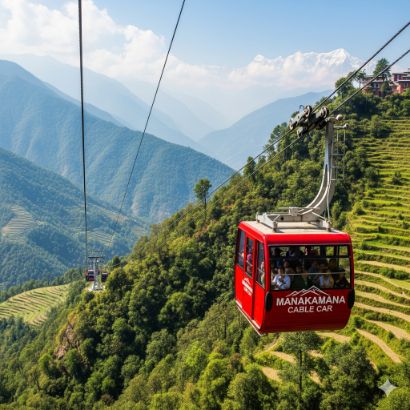
50. World’s Steepest Cable Car
The Manakamana Cable Car connects pilgrims to the sacred temple and is one of the steepest in the world.
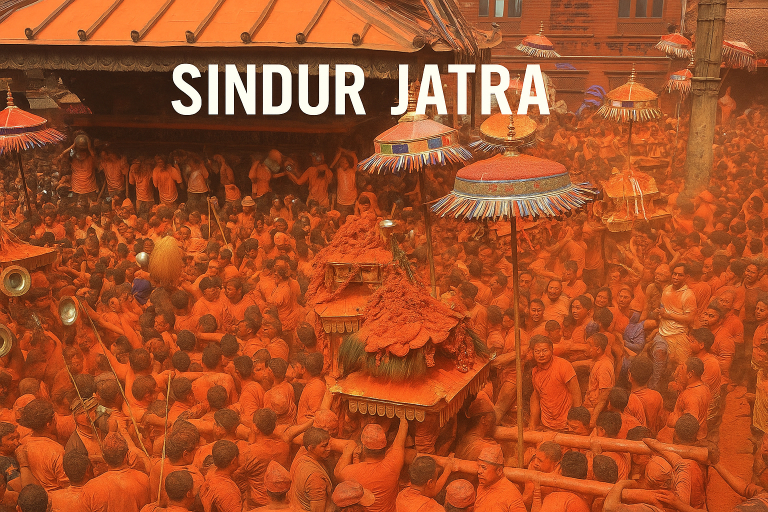
51. Bisket Jatra Festival
Celebrated in Bhaktapur, Bisket Jatra is a dramatic New Year festival featuring massive chariot pulls and community celebrations.
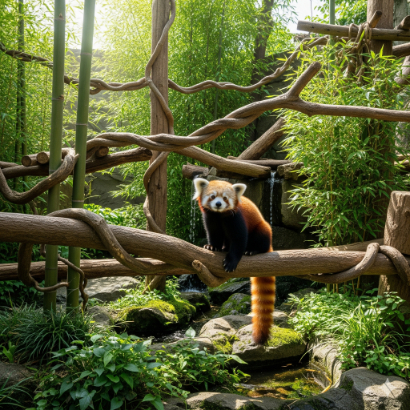
52. Red Panda Habitat
Nepal’s eastern forests provide habitat for the endangered red panda, a rare and adorable Himalayan species.
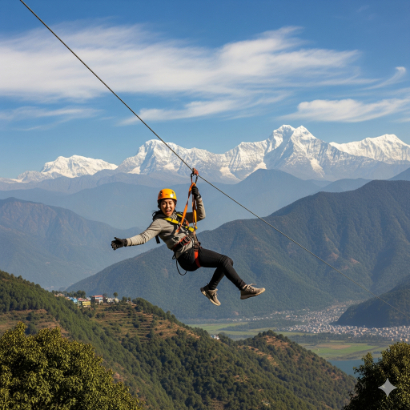
53. Highest Zipline
Nepal’s Pokhara has one of the world’s longest and steepest ziplines, offering a thrilling ride with Himalayan views.
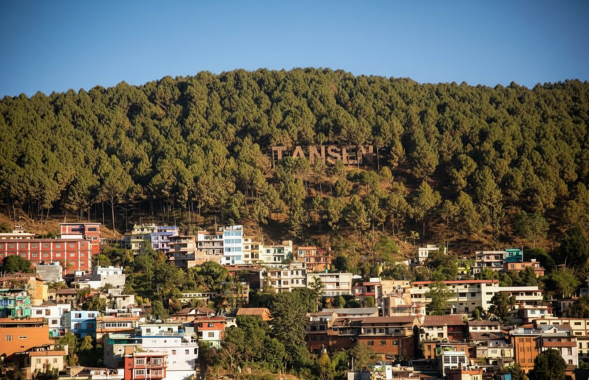
54. Tansen – Historic Hill Town
Tansen in Palpa district is famous for its medieval architecture, handmade Dhaka fabric, and Himalayan views.
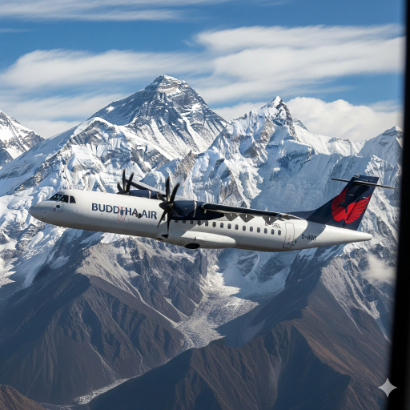
55. Buddha Air
Buddha Air offers mountain flights that allow passengers to view Everest and Himalayan peaks without trekking.
56. Kal Bhairav Statue
The Kal Bhairav statue in Kathmandu Durbar Square is believed to deliver instant justice in ancient times when people swore oaths before it.
57. Dhaka Topi
The Dhaka Topi is Nepal’s traditional hat, symbolizing national pride, often worn during cultural and formal events.

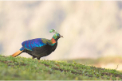
58. Nepal’s National Bird
The Himalayan Danphe, is Nepal’s national bird, known for its vibrant, rainbow-colored feathers.
59. Nepal’s Highest Waterfall
Hyatung Waterfall in Tehrathum is one of the highest waterfalls in Nepal and a spectacular natural wonder.