Gundruk (गुन्द्रुक)
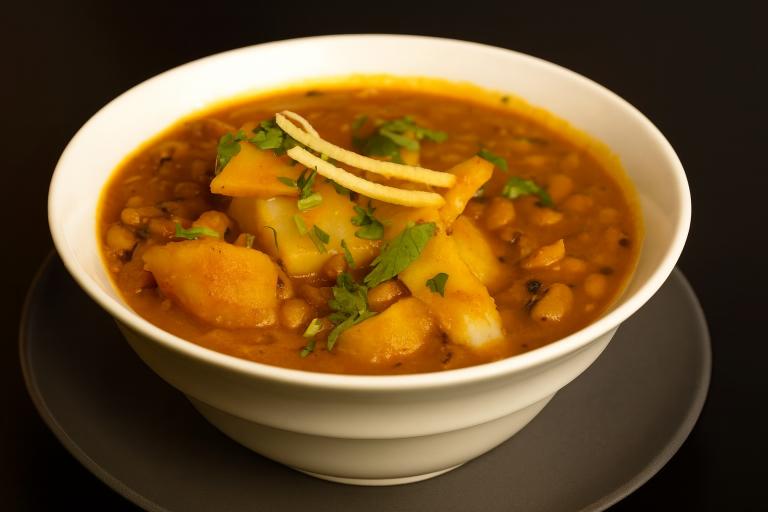
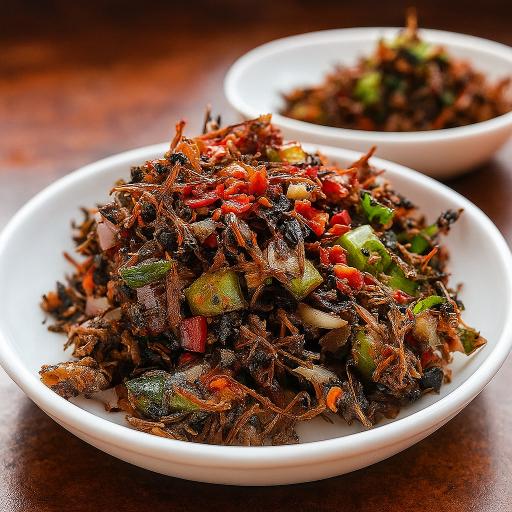
Description: Gundruk is a traditional fermented leafy green vegetable dish, usually made from mustard leaves, radish leaves, or cauliflower leaves. It is cooked into tangy soups or served as a side dish.
History & Cultural Significance
Gundruk has been a traditional method of preserving vegetables in Nepal for centuries, especially in winter when fresh greens are scarce. It is a symbol of resourcefulness and is widely consumed in rural and urban communities.
Taste & Texture
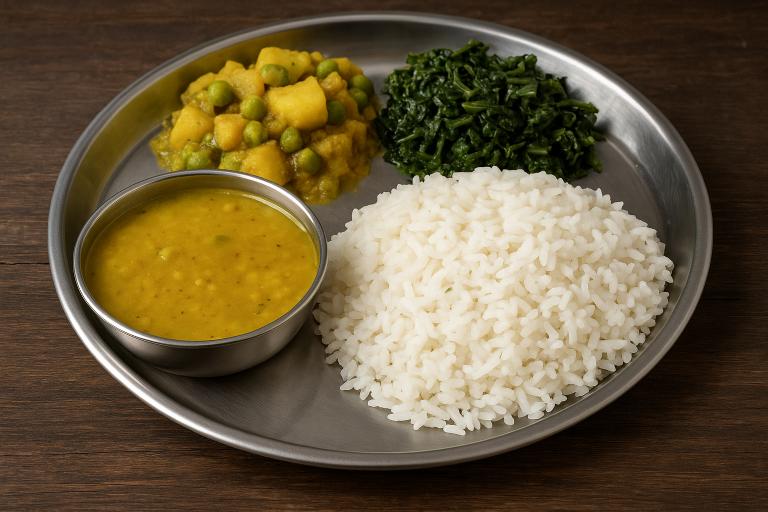
Sour and slightly smoky from fermentation, gundruk has a chewy texture. It pairs well with steamed rice, lentils, and vegetable curries.
Nutrition & Health
Gundruk is rich in vitamins, fiber, and probiotics. It supports digestion and adds essential nutrients during off-season months.
Ingredients
- Mustard leaves, radish leaves, or cauliflower leaves
- Salt
- Water
Preparation
Leaves are cleaned, chopped, salted, and sun-dried for several days. After fermentation, it can be cooked into soup, curry, or stir-fried with spices.
Occasions & Popularity
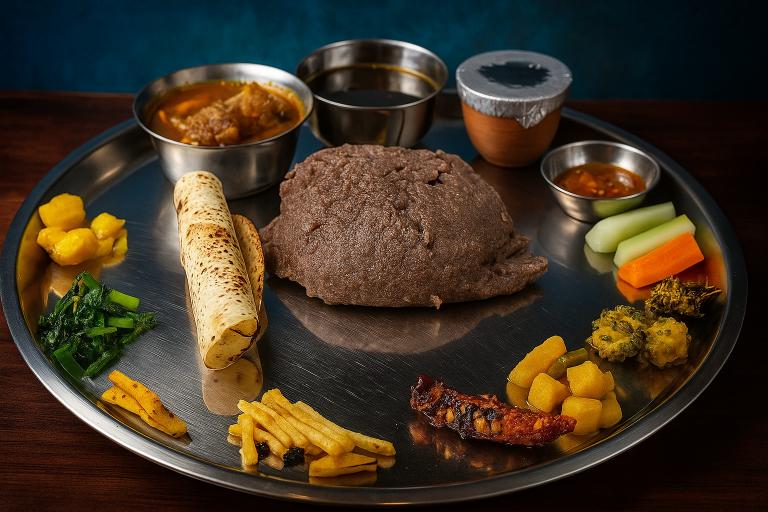
Gundruk is consumed year-round and is considered a staple side dish in rural households. It is also enjoyed in urban Nepali homes for its distinctive taste and nutritional value.
⬅ Back to Foods